“amino acid” search results (300)
Can I have coffee and tea together? Can I have coffee after tea?
Coffee and tea are the mainstream drinks at present. Coffee and tea can be seen in any country or region, one is the representative drink of the West, the other represents the oriental culture, so can coffee and tea be drunk together? The main components of tea are caffeine, tannic acid, vitamin C, amino acid, catechin, flavonoids, phenols and so on.
2015-10-20 Coffee tea can together drink drink tea after can coffee all are at present mainstream
Boutique coffee health common sense can coffee and tea be drunk together?
Coffee and tea are the mainstream drinks at present. Coffee and tea can be seen in any country or region, one is the representative drink of the West and the other represents the Eastern culture, so can coffee and tea be drunk together? The main components of tea are caffeine, tannic acid, vitamin C, amino acid, catechin, flavonoids, phenols and so on.
2014-12-23 Boutique coffee health knowledge tea can together drink all at present Lord
Information article-there are more than 800 aromas of coffee
The aroma of coffee itself is the main reason for the overall flavor properties, which is different from the perceived taste and sweetness, saltiness, bitterness and sour taste. Aroma is the most important product attribute of special coffee, and even instant coffee aroma substances can stimulate our taste buds. The difference is that instant coffee lacks the most important aromatic volatile components, which also leads to a decrease in the overall flavor.
2015-10-15 Information coffee aroma more than 800 kinds itself fragrance formation whole
Coffee cup test knowledge the aroma of coffee has exceeded 800 kinds.
The aroma of coffee itself is the main reason for the overall flavor properties, which is different from the perceived taste and sweetness, saltiness, bitterness and sour taste. Aroma is the most important product attribute of special coffee, and even instant coffee aroma substances can stimulate our taste buds. The difference is that instant coffee lacks the most important aromatic volatile components, which also leads to a decrease in the overall flavor.
2014-12-30 Coffee cup knowledge coffee fragrance more than 800 kinds itself
Can I have coffee and tea together? Coffee can't be drunk with tea?
Coffee and tea are the current mainstream drinks. Coffee and tea can be seen in any country or region, one is the representative drink of the West, the other represents the Western culture, so can coffee and tea be drunk together? The main components of tea are caffeine, tannic acid, vitamin C, amino acid, catechin, flavonoids, phenols and so on.
2015-09-09 Coffee tea together drink can't coffee all are at present the mainstream
Drinking coffee regularly can prevent radiation damage to your health.
Drinking coffee regularly can prevent radiation damage. Radiation damage, especially the radiation of electrical appliances, has become a prominent pollution at present. Indian Barba atomic researchers have come to this conclusion in mouse experiments and say it can be applied to humans. Hello, I am an exercise therapist. Answer your question from the perspective of sports nutrition. I hope it will help you! The main ingredients of tea: many
2015-04-01 Regular drinking coffee preventable radiation injury health common sense
How does decaffeinated coffee remove caffeine?
Coffee that removes more than 90% of the caffeine becomes decaffeinated coffee (Decaffeinated coffee, called Deccaf). In the past, organic solvents were generally used to remove caffeine, but it is now banned in Japan because of residual solvents and possible carcinogens. At present, decaffeinated coffee, which is mainly circulated in Japan, is a product that removes caffeine with water or carbon dioxide. Although
2015-11-27 Caffeine coffee how to remove caffeine 90% above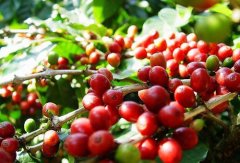
Why is coffee bitter? How to make coffee less bitter?
Caffeine is the most well-known bitter ingredient in coffee, but caffeine actually accounts for only 10% of the bitter taste. This can be understood from the fact that the concentration of caffeine in roasted beans is not affected by the degree of baking, and that decaffeinated coffee also has a bitter taste. So where does the remaining 90% of the bitterness come from? One of the sources of coffee bitterness is brown pigment. Brown color
2016-06-12 Coffee why will be bitter how not bitter coffee bitter taste the most the person
High-quality coffee healthy drinking coffee can prevent radiation injury
Drinking coffee regularly can prevent radiation damage. Radiation damage, especially the radiation of electrical appliances, has become a prominent pollution at present. Indian Barba atomic researchers have come to this conclusion in mouse experiments and say it can be applied to humans. Hello, I am an exercise therapist. Answer your question from the perspective of sports nutrition. I hope it will help you! The main ingredients of tea: many
2014-12-24 Boutique coffee health regular drinking preventable radiation injury but
The characteristic flavor of civet coffee
Kopi Luwak is produced by the feces of Indonesian coconut cats (a kind of civet) as raw materials, so it is called Kopi Luwak. This kind of animal mainly feeds on coffee beans. After completing fermentation in the coconut cat's stomach, it destroys proteins, produces short peptides and more free amino acids, reduces the bitterness of coffee, and then excretes feces as the main raw material. Because coffee beans cannot be digested, they will be
2016-08-31 Musk coffee characteristics flavor cat shit is made from Indonesia coconut a kind of
Is left-handed coffee coffee?
Is left-handed coffee coffee? Everyone is very confused about this problem, especially for the majority of women. Whether left-handed coffee is coffee or not, let's take a look at the ingredients of left-handed coffee. Left-handed coffee is mainly composed of the following five components: 1. High-speed L-carnitine is one of the amino acid-like nutrients, which plays a major role in burning fat and promoting energy generation.
2015-05-19 Left-handed coffee left-handed for this this question everyone is very confused.
The bitterness of coffee. How did coffee bitterness come from?
Caffeine is the most well-known bitter ingredient in coffee, but caffeine actually accounts for only 10% of the bitter taste. This can be understood from the fact that the concentration of caffeine in roasted beans is not affected by the degree of baking, and that decaffeinated coffee also has a bitter taste. So where does the remaining 90% of the bitterness come from? One of the sources of coffee bitterness is brown pigment. Brown color
2016-06-03 Coffee bitterness ingredients how coffee the best known just
Introduction to the flavor of Kopi Luwak Manor in Indonesia
Kopi Luwak is produced by the feces of Indonesian coconut cats (a kind of civet) as raw materials, so it is called Kopi Luwak. This kind of animal mainly feeds on coffee beans. After completing fermentation in the coconut cat's stomach, it destroys proteins, produces short peptides and more free amino acids, reduces the bitterness of coffee, and then excretes feces as the main raw material. Because coffee beans cannot be digested, they will be
2016-07-13 Indonesia Cat poop Coffee Manor producing area Flavor introduction Fuyin Cat shit
Introduction to Indonesian Coconut Cat (Musk Cat) of Kopi Luwak
Kopi Luwak is produced by the feces of Indonesian coconut cats (a kind of civet) as raw materials, so it is called Kopi Luwak. This kind of animal mainly feeds on coffee beans. After completing fermentation in the coconut cat's stomach, it destroys proteins, produces short peptides and more free amino acids, reduces the bitterness of coffee, and then excretes feces as the main raw material. Because coffee beans cannot be digested, they will be
2016-06-17 Cat shit coffee Indonesia coconut musk introduction cat shit is made by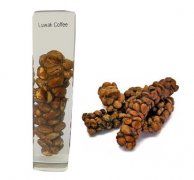
Introduction to boutique coffee-- Musk Coffee Coffee Musk Coffee
Kopi Luwak is produced by the feces of Indonesian coconut cats (a kind of civet) as raw materials, so it is called Kopi Luwak. This kind of animal mainly feeds on coffee beans. After completing fermentation in the coconut cat's stomach, it destroys proteins, produces short peptides and more free amino acids, reduces the bitterness of coffee, and then excretes feces as the main raw material. Because coffee beans cannot be digested, they will be excreted.
2016-03-21 Boutique coffee introduction musk taste characteristics cat shit is made by Indonesia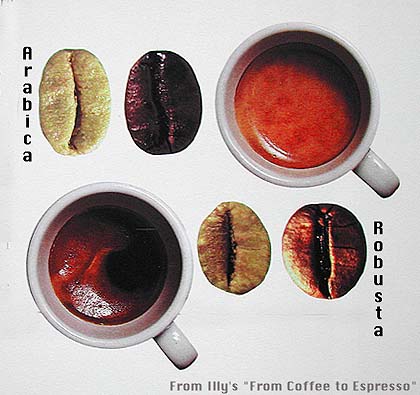
Coffee raw beans roast color change boutique coffee raw beans imported coffee
Coffee roasting, coffee cup testing and coffee extraction are all very rigorous sciences, while coffee roasting has the most influence on coffee taste, and there are fewer people in the industry who study coffee roasting, and even fewer baristas know how to roast coffee. with the continuous development of market economy and people's increasing requirements for coffee quality, baristas are required to be more professional.
2016-07-22 Coffee raw beans roasting color change boutique import English coffee
Introduction of Brazilian coffee sour bean flavor and taste variety characteristics of grinding degree treatment method
In 1570, when the Turkish army besieged Vienna and failed to retreat, someone found a bag of black seeds in the barracks of the Turkish army, and no one knew what it was. A Polish man who had lived in Turkey took the bag of coffee and opened his first coffee shop in Vienna. At the end of the 16th century, coffee was made with Islam.
2016-10-20 Brazil coffee beans sour flavor taste variety characteristics grinding treatment introduction
Introduction of Kopi Luwak Manor in Indonesia
Kopi Luwak is produced by the feces of Indonesian coconut cats (a kind of civet) as raw materials, so it is called Kopi Luwak. This kind of animal mainly feeds on coffee beans. After completing fermentation in the coconut cat's stomach, it destroys proteins, produces short peptides and more free amino acids, reduces the bitterness of coffee, and then excretes feces as the main raw material. Because coffee beans cannot be digested, they will be
2016-07-12 Indonesia cat shit coffee manor producing area introduction Fu Yin is made up of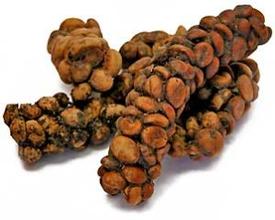
Civet Coffee introduction to the latest Coffee introduction to Kopi Luwak
Kopi Luwak is produced by the feces of Indonesian coconut cats (a kind of civet) as raw materials, so it is called Kopi Luwak. This kind of animal mainly feeds on coffee beans. After completing fermentation in the coconut cat's stomach, it destroys proteins, produces short peptides and more free amino acids, reduces the bitterness of coffee, and then excretes feces as the main raw material. Because coffee beans cannot be digested, they will be
2015-12-14 Musk coffee latest profile cat shit introduction is made by Indonesia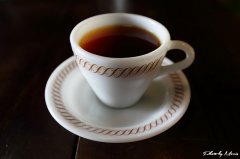
Where does the bitterness come from? coffee is not bitter, sweet coffee, Italian style, deep-roasted coffee beans, coffee beans, oil.
One of the sources of coffee bitterness is brown pigment. Brown pigments can be classified according to molecular size, and the larger the molecule, the stronger the bitterness. In the case of coffee, deep roasting increases the brown pigment, and so does the pigment with larger molecules (the more bitter). When you boil deeply baked beans in daily life, you will find that the bitter taste is stronger and the taste is more rich. In fact, Arabica
2016-07-01 Bitterness origin what coffee not bitter Italian style blending deep roasting coffee beans oil